Top 10 Most Efficient EVs of 2026

Ranked by range delivered per kWh of battery

Efficiency is what separates a car that stretches its battery from one that just has a bigger battery. These are the EVs squeezing the most kilometers of range out of each kWh in 2026.
Efficiency km/kWh Range
Models listed
10
Brands
5
Lowest
11.47 km/kWh
Highest
13.29 km/kWh
Average
12.36 km/kWh
Price distribution
$6,000–$8,500 (1) $8,500–$11,000 (2) $11,000–$13,500 (1) $13,500–$16,000 (3)
#1
MG Comet EV
MG Comet EV
MG · 2023 -
Range 230 km Power 29 kW Battery 17.3 kWh Price $9,760
Efficiency
13.29 km/kWh
#2
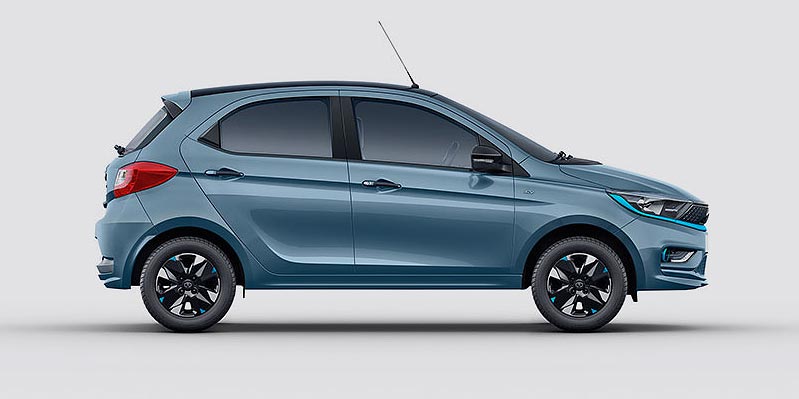
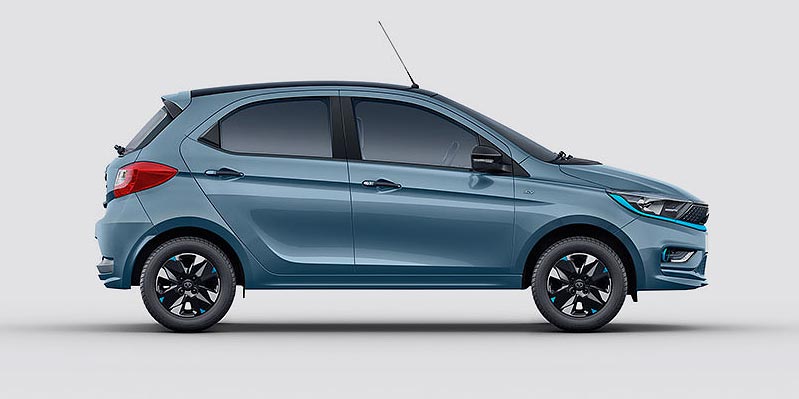
Tata Motors Tiago.ev Long Range
Tata Motors · 2022 -
Range 315 km Power 55 kW Battery 24 kWh Price $12,240
Efficiency
13.13 km/kWh
#3
Tata Motors Tiago.ev Medium Range
Tata Motors · 2022 -
Range 250 km Power 45 kW Battery 19.2 kWh Price $10,300
Efficiency
13.02 km/kWh
#4
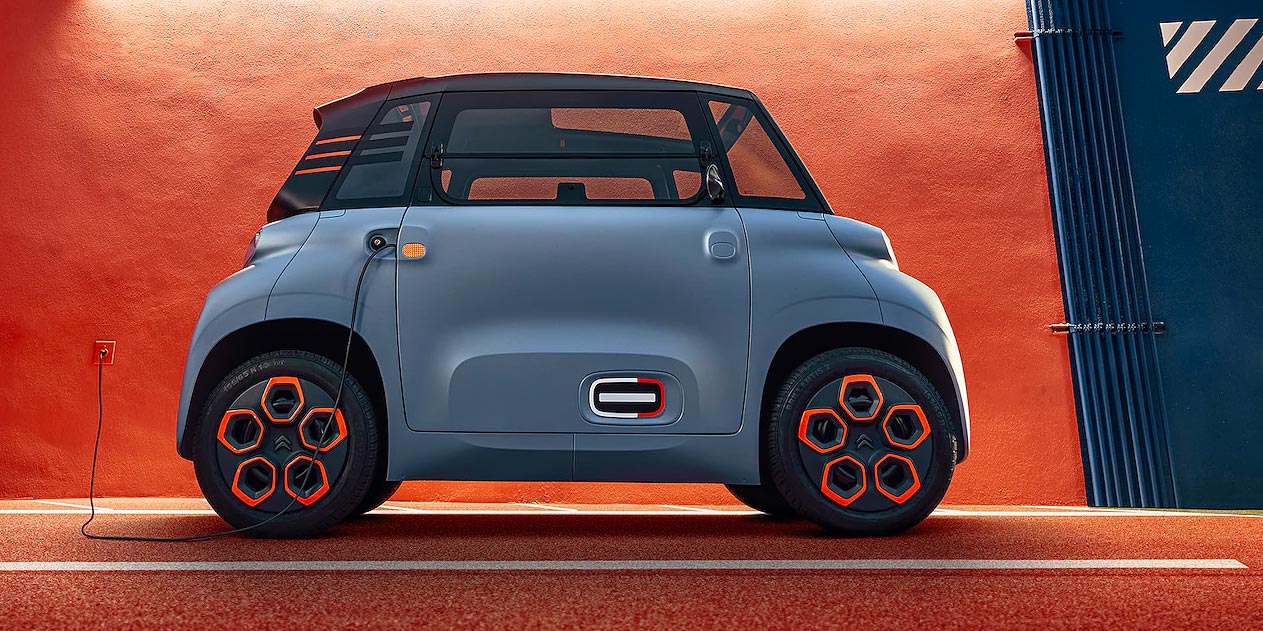
Citroen Ami
Citroen Ami
Citroen · 2020 -
Range 70 km Power 6 kW Battery 5.5 kWh Price $6,000
Efficiency
12.73 km/kWh
#5
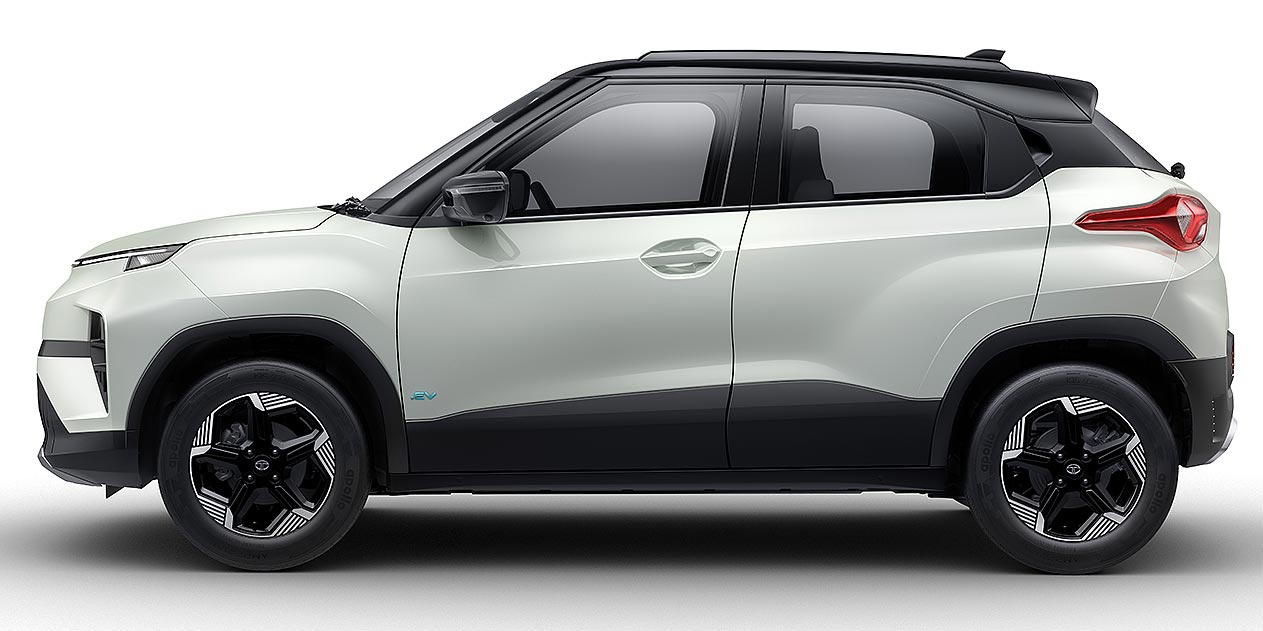
Tata Motors Punch.ev
Tata Motors · 2024 -
Range 315 km Power 60 kW Battery 25 kWh 0–100 50 s Price $15,000
Efficiency
12.6 km/kWh
#6
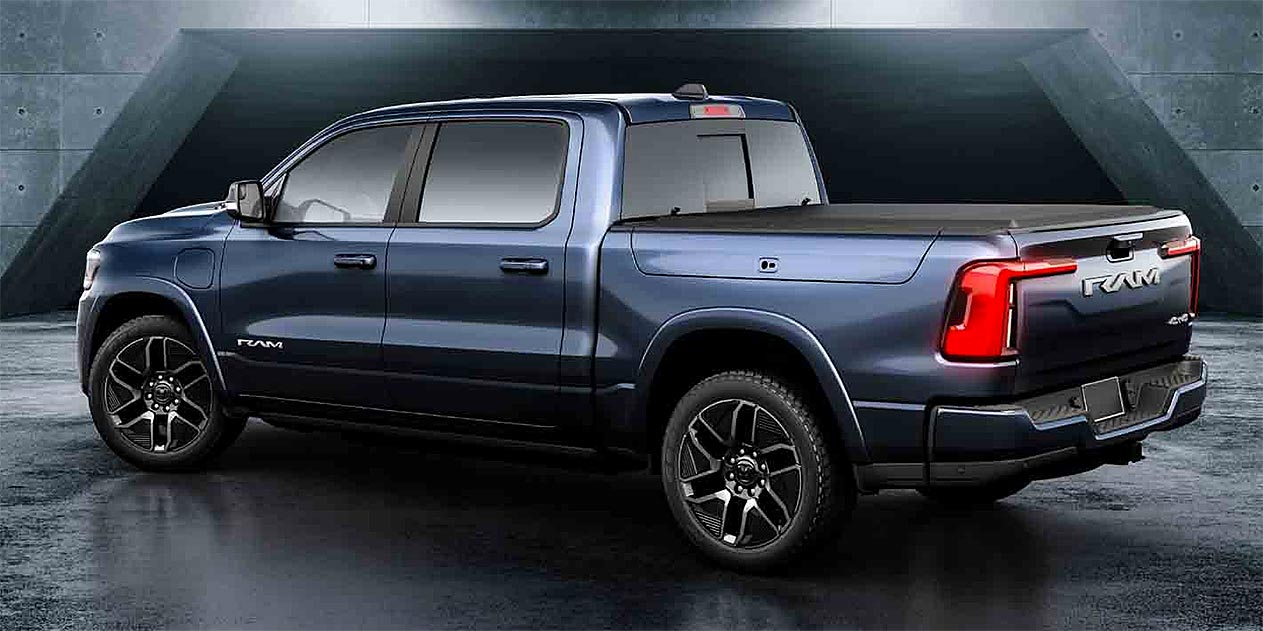
Ram 1500 REV 92kWh
Ram 1500 REV 92kWh
Ram · 2023 -
Range 1,110 km Power 476 kW Battery 92 kWh 0–100 30 s
Efficiency
12.07 km/kWh
#7
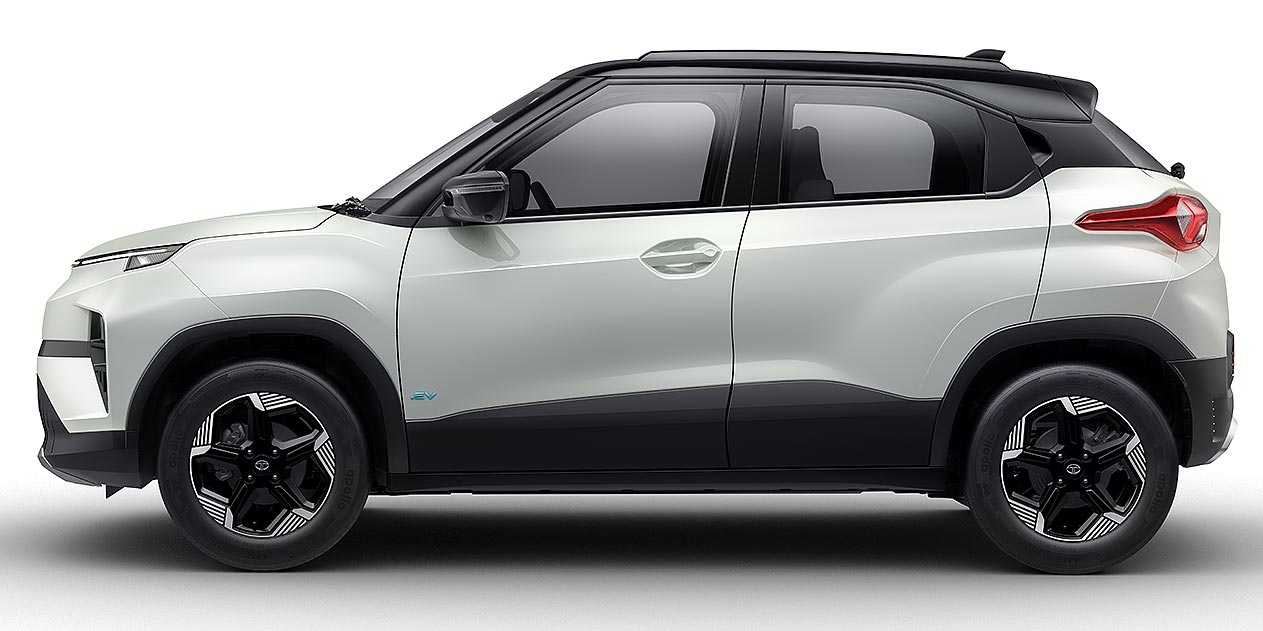
Tata Motors Punch.ev Long Range
Tata Motors · 2024 -
Range 421 km Power 90 kW Battery 35 kWh 0–100 50 s Price $15,650
Efficiency
12.03 km/kWh
#8
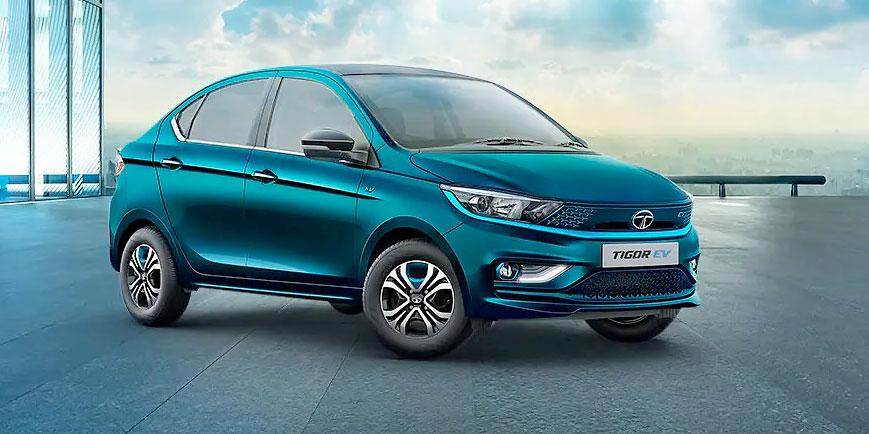
Tata Motors Tigor EV
Tata Motors · 2021 -
Range 306 km Power 55 kW Battery 26 kWh 0–100 50 s Price $16,000
Efficiency
11.77 km/kWh
#9
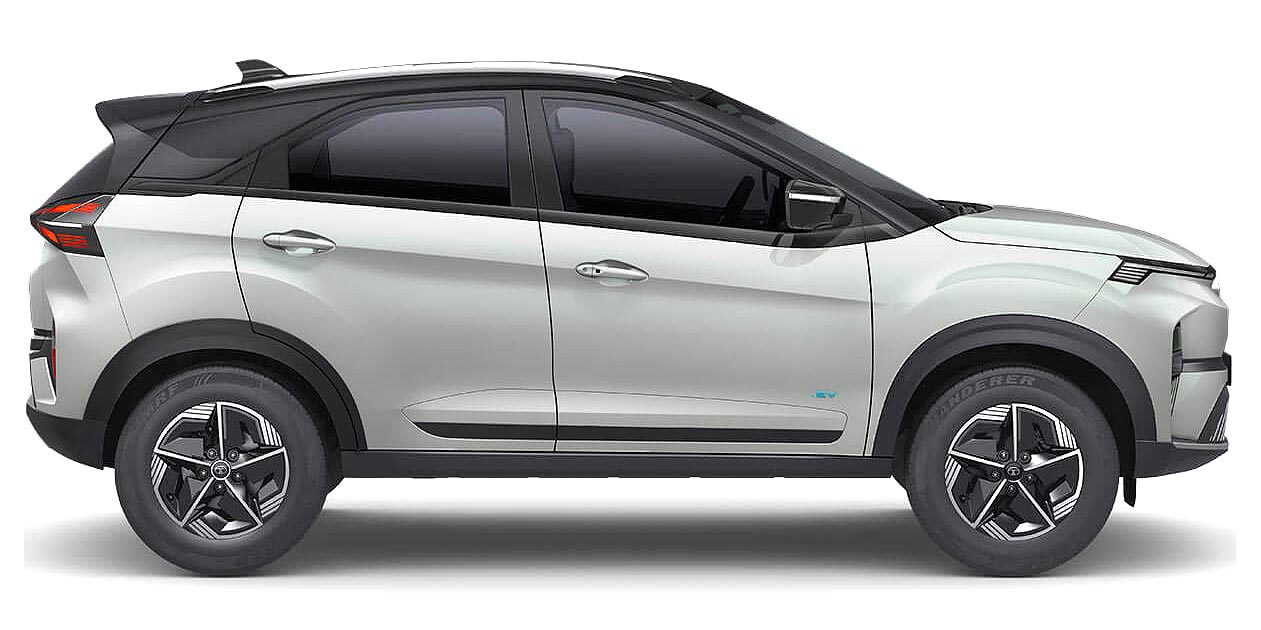
Tata Motors Nexon EV Long Range
Tata Motors · 2023 -
Range 465 km Power 106 kW Battery 40.5 kWh 0–100 50 s
Efficiency
11.48 km/kWh
#10
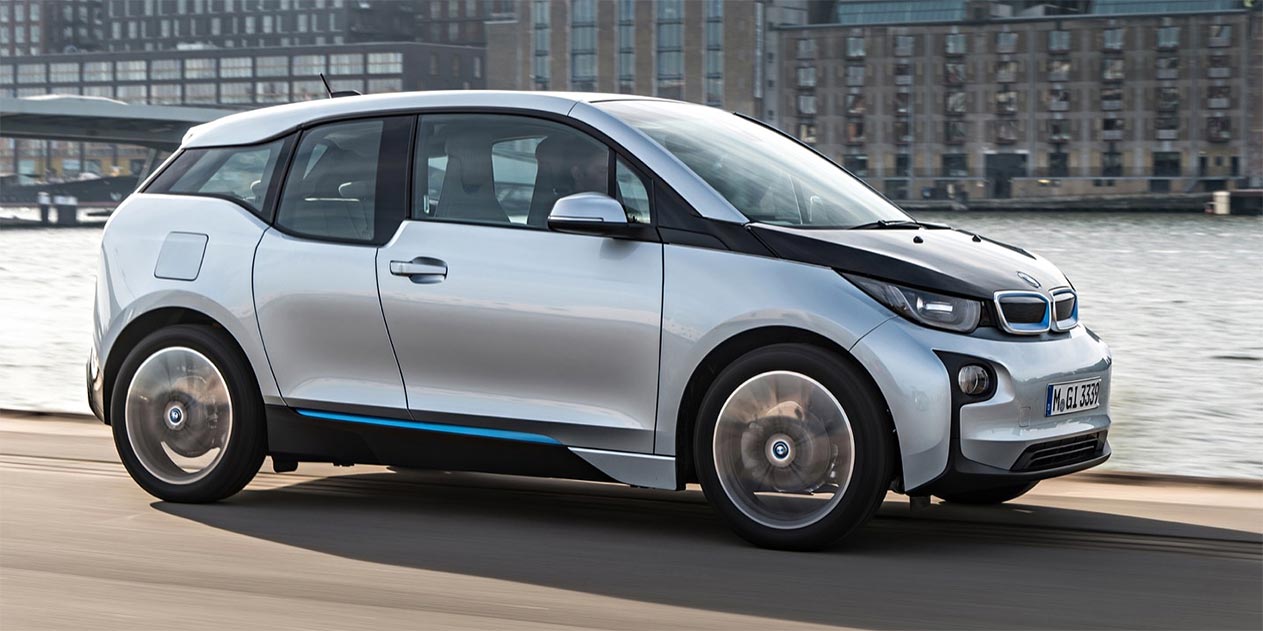
BMW i3 94 Ah
BMW i3 94 Ah
BMW · 2016 - 2017
Range 312 km Power 125 kW Battery 27.2 kWh 0–100 50 s
Efficiency
11.47 km/kWh

How efficiency is calculated here

Efficiency is estimated as official range divided by battery capacity — a rough km-per-kWh figure. It rewards aerodynamics, weight, and motor efficiency rather than simply fitting the biggest possible battery.

Because it's derived from two separately published figures, small differences between manufacturers in how they report 'usable' versus 'total' battery capacity can shift a car up or down slightly.

Quick checklist
  • This is range divided by battery capacity, not an official manufacturer efficiency rating
  • A high score rewards aerodynamics and weight, not just battery size
  • Usable vs. total battery capacity reporting can shift a car's score slightly

Frequently asked questions

About this list.

How is the efficiency figure calculated?
We divide each car's official range by its battery capacity to get an approximate km-per-kWh figure — it's not an independently tested efficiency rating, just a derived estimate from published specs.
Why does a smaller battery sometimes score higher?
Because the metric measures how much range a car extracts from each kWh, not the size of the pack itself. A light, aerodynamic car with a modest battery can out-score a heavier one with a much bigger pack.
Does efficiency affect charging cost?
Yes — a more efficient car needs less electricity to cover the same distance, which generally means lower charging costs per kilometer, all else being equal.
Is this the same as an EPA/WLTP efficiency rating?
No, official test cycles publish their own efficiency figures (like EPA MPGe) using standardized methods; our figure is a simple range-over-battery estimate and may differ from those official numbers.